
Why an Assessment Can Change the Way You Move, Train, and Perform
Whether you’re a runner chasing a new PR, a swimmer refining your stroke, a cyclist dialing in your bike fit, or a throwing athlete looking to stay healthy through a long season, one thing remains true: how you move matters.
At Finish Strong Physical Therapy + Performance, we believe that performance and injury prevention start with understanding your movement. An assessment/analysis/fit provide a detailed look at your mechanics, strengths, and limitations so that your training can work for you instead of against you.
Too often athletes push through discomfort or rely on generic advice. A professional movement assessment allows us to identify the root cause of inefficiencies or pain and create a personalized plan to help you move better, perform better, and stay healthy.
Running Assessments: Improving Efficiency and Preventing Injury
Running assessments—often called gait assessments—can be key to helping runners avoid injury and recover from past injuries by improving technique and eliminating bad habits.
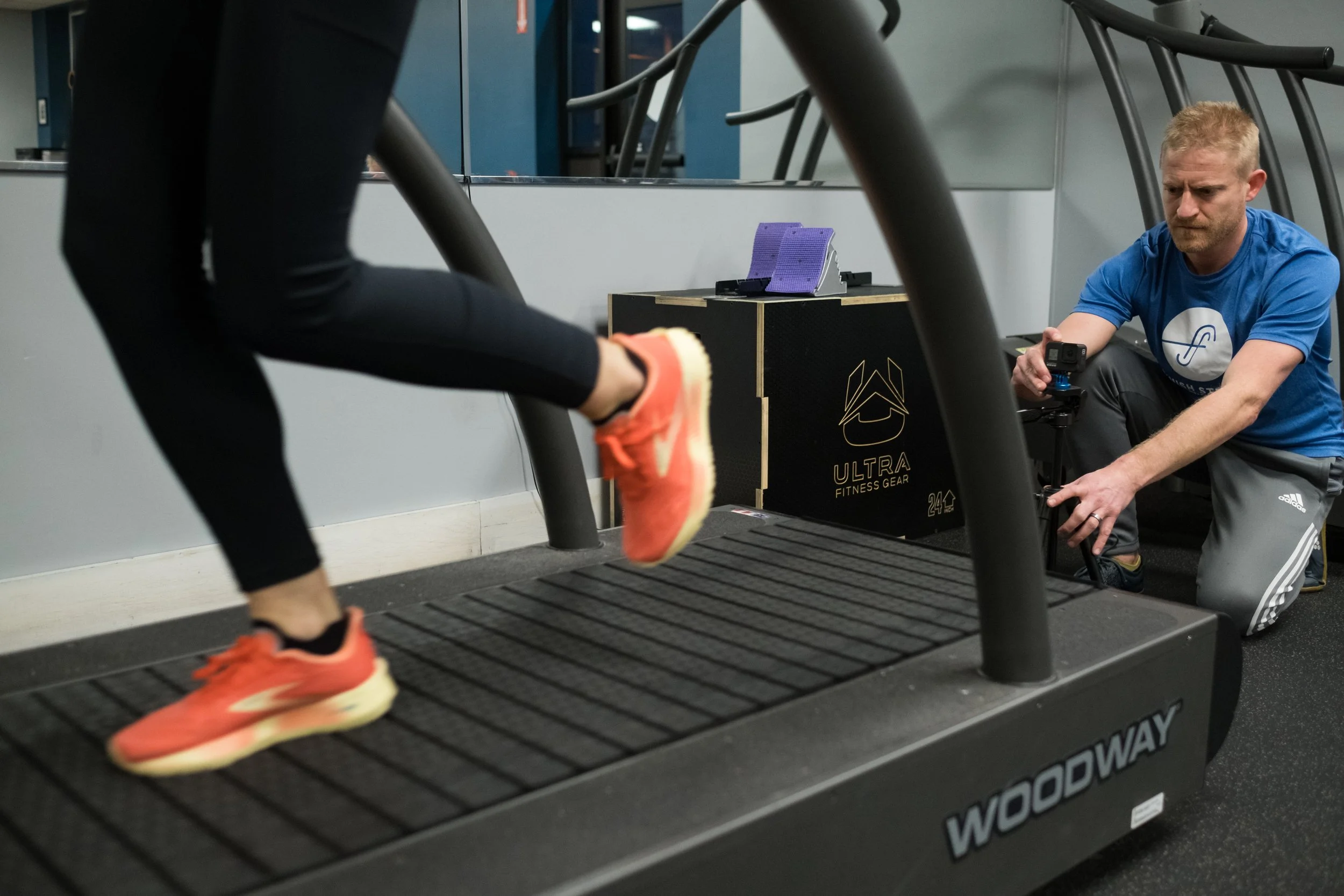
The process begins with a comprehensive physical therapy evaluation. We examine movement patterns, strength, flexibility, and any limitations that may affect your stride.
Next comes video analysis. Using slow-motion footage, we analyze how your body moves while walking and running, both barefoot and in shoes. This allows us to closely examine:
Foot structure and landing patterns
Stride mechanics
Hip and knee alignment
Cadence and overall efficiency
After the analysis, we review the footage together and break everything down frame by frame. This collaborative process helps athletes clearly see what’s happening during their stride and understand how small adjustments can lead to major improvements.
The result is a targeted plan designed to reduce injury risk, correct inefficiencies, and help you run stronger and longer.
Swim Analysis: Take Your Stroke to the Next Level
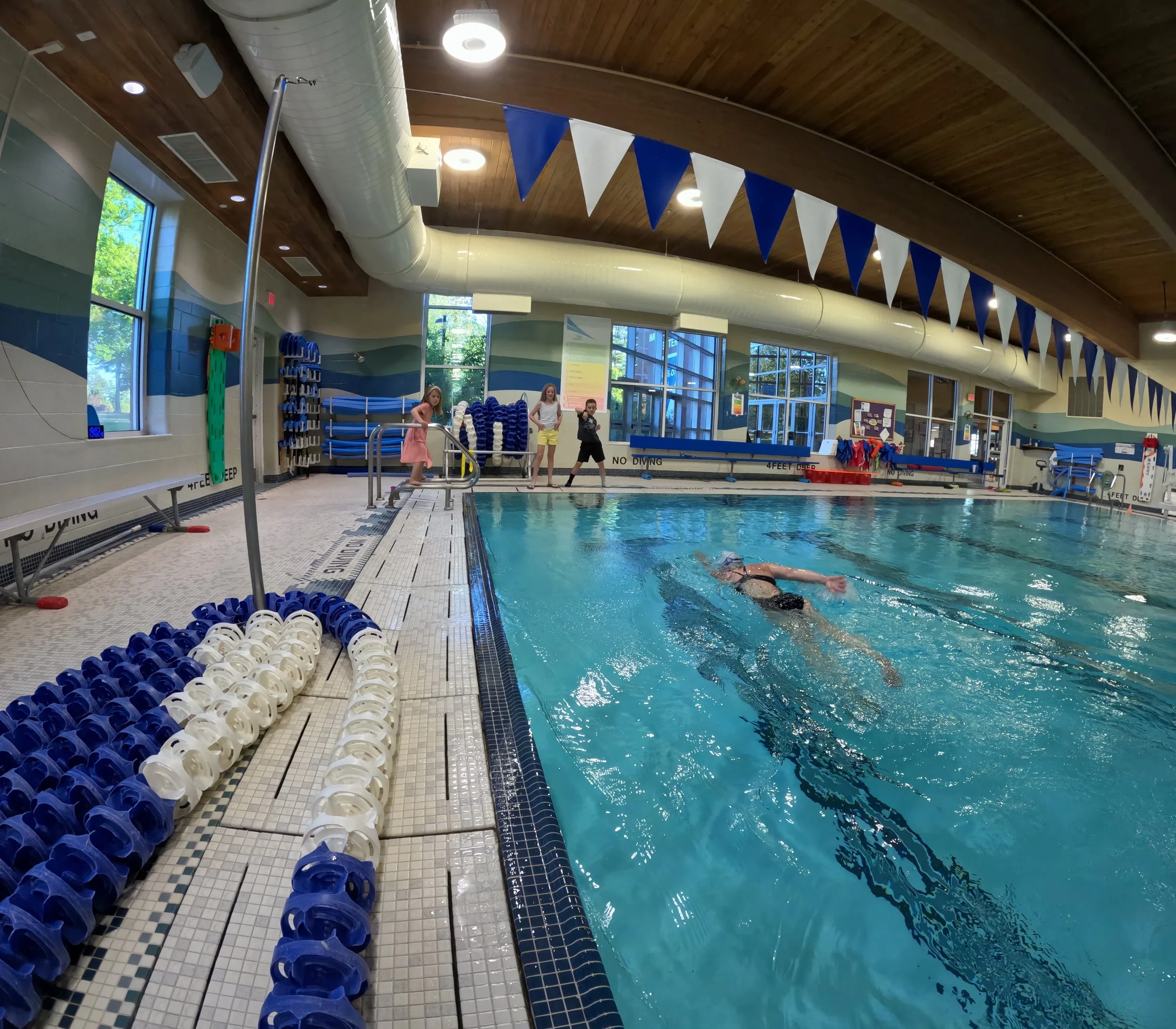
For swimmers and triathletes, efficiency in the water is everything. A swim analysis uses video and structured testing to identify opportunities for improvement in performance, technique, and injury prevention.
Through underwater and above-water video analysis, we evaluate:
Body position and balance in the water
Stroke mechanics and timing
Breathing patterns
Kick efficiency
Turns and starts
This process enhances a swimmer’s understanding of each stroke—freestyle, backstroke, breaststroke, and butterfly—and allows us to provide feedback tailored to the individual athlete.
Swim analysis are also incredibly valuable for triathletes and runners. Swimming provides a low-impact training option that builds endurance and cardiovascular capacity while giving the legs a break from repetitive impact.
For many endurance athletes, improving swim technique can mean less energy wasted in the water and more energy available later in the race.
Bike Fits: Comfort, Power, and Performance
Cycling performance isn’t just about fitness—it’s about position. Even small adjustments to your bike setup can dramatically improve comfort, power output, and injury prevention.
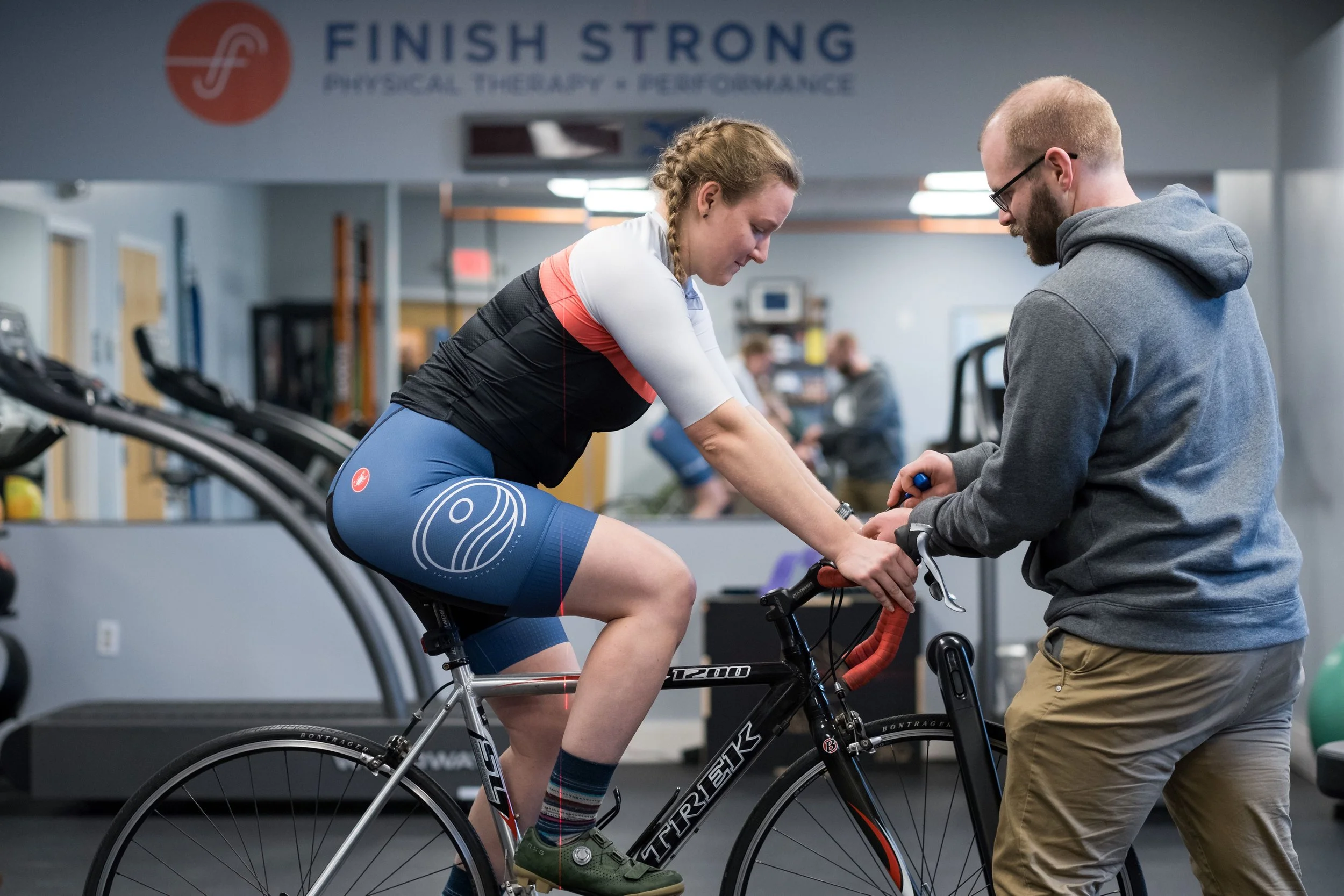
During a bike assessment, a comprehensive riding history and movement analysis is performed by a F.I.S.T. certified physical therapist. The goal is to optimize the rider’s position while minimizing stress on joints and muscles.
Adjustments may include:
Saddle: height, tilt, and fore-aft position
Pedals and cleats: type and alignment
Handlebars: height, width, and shape
Stem length: reach and positioning
Grip position: comfort and control
This process goes beyond simple measurements. It allows us to determine the best setup for your current bike—or even guide you toward the ideal setup for a future bike purchase.
The result is a position that helps eliminate pain, improve efficiency, and allow you to ride longer and stronger.
Throwing Assessments: Protecting the Arm and Elevating Performance
Throwing athletes—from baseball players to pitchers—place enormous stress on the shoulder and elbow. A detailed throwing assessment helps protect arm health while improving performance.
This advanced session combines hands-on movement testing with real-time biomechanical data and video analysis.
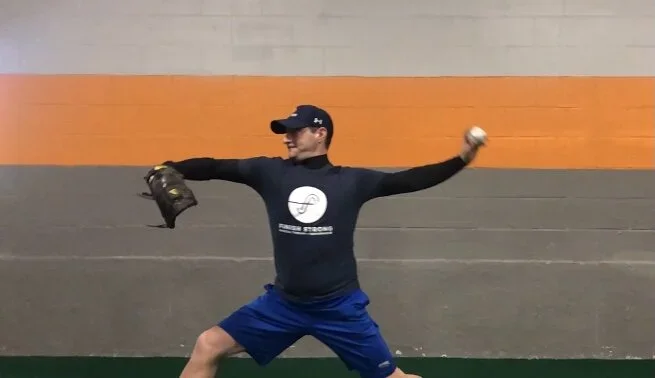
During the assessment we evaluate:
Shoulder and arm mobility
Strength and stability
Throwing mechanics
Release patterns and timing
Using Pitch Logic technology, we can also capture performance data such as:
Velocity
Spin rate
Release metrics
Biomechanical efficiency
Athletes receive a comprehensive summary highlighting strengths, potential risks, and areas for improvement. From there, we build a personalized program focused on injury prevention, mechanical refinement, and performance development. Matt offers throwing assessment and pitch logic throwing sessions, you can learn which is right for you.
Follow-up assessments allow athletes to track progress and adjust training strategies over time.
The Bigger Picture: Why These Matter
Across every sport, the goal is the same: understand the athlete in front of us.
Instead of guessing or relying on generalized advice, assessments, analysis and fits allow us to:
Identify movement limitations early
Address injury risks before they become problems
Improve efficiency and technique
Personalize training and rehabilitation
Help athletes perform at their best
Small changes in movement can make a big difference over thousands of repetitions.
Invest in the Way You Move
Your body is your most important piece of equipment. Whether you're logging miles on the road, gliding through the water, climbing hills on the bike, or stepping onto the mound, the way you move determines how well you perform—and how long you stay healthy.
An assessment gives you the insight, tools, and plan to keep doing what you love, stronger and more efficiently than ever.